Copyright © 2022 Wuhan Guangzhi Technology Co., Ltd All rights reserved.Site MapDesigned by 
Welcome:GZTECH
Welcome:GZTECH

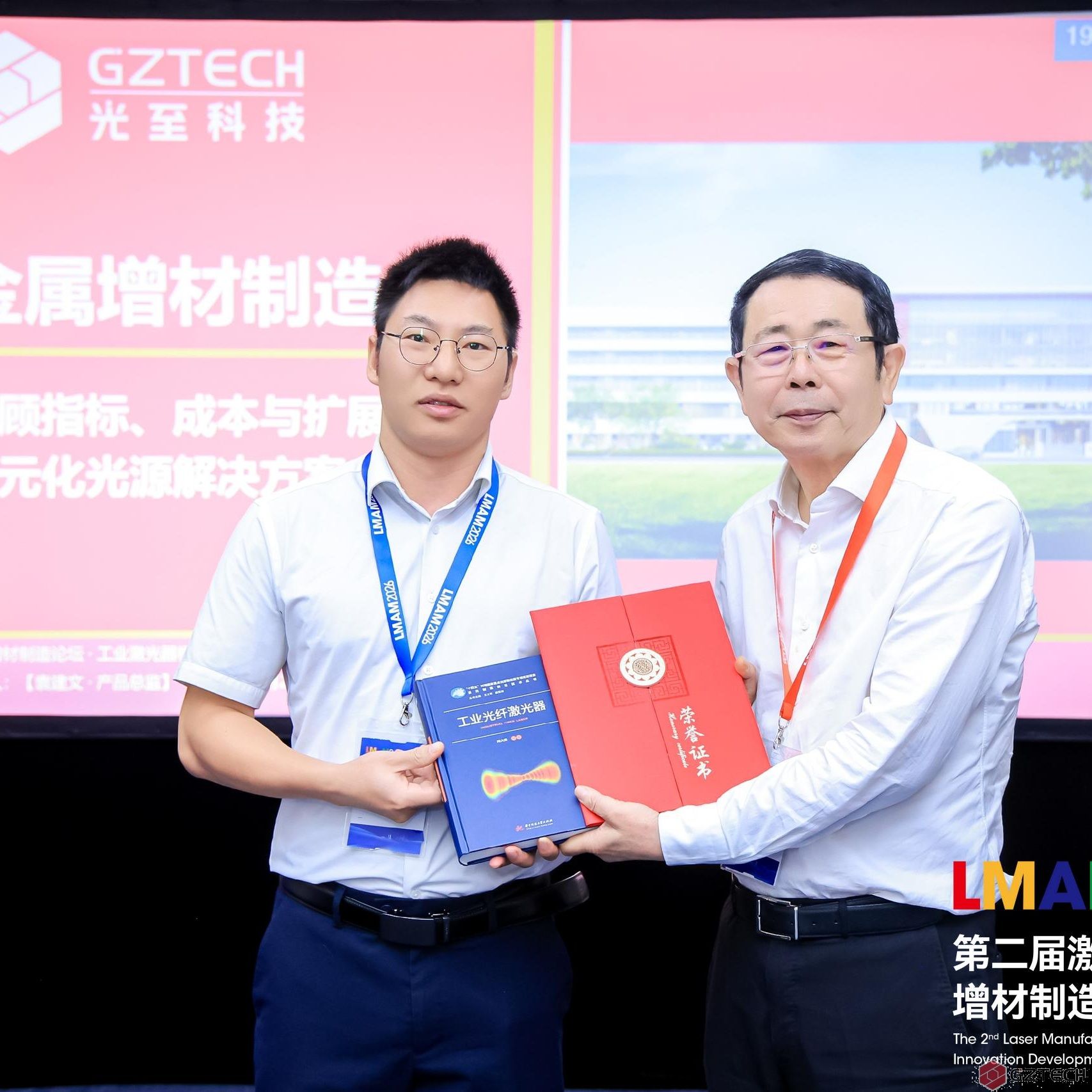
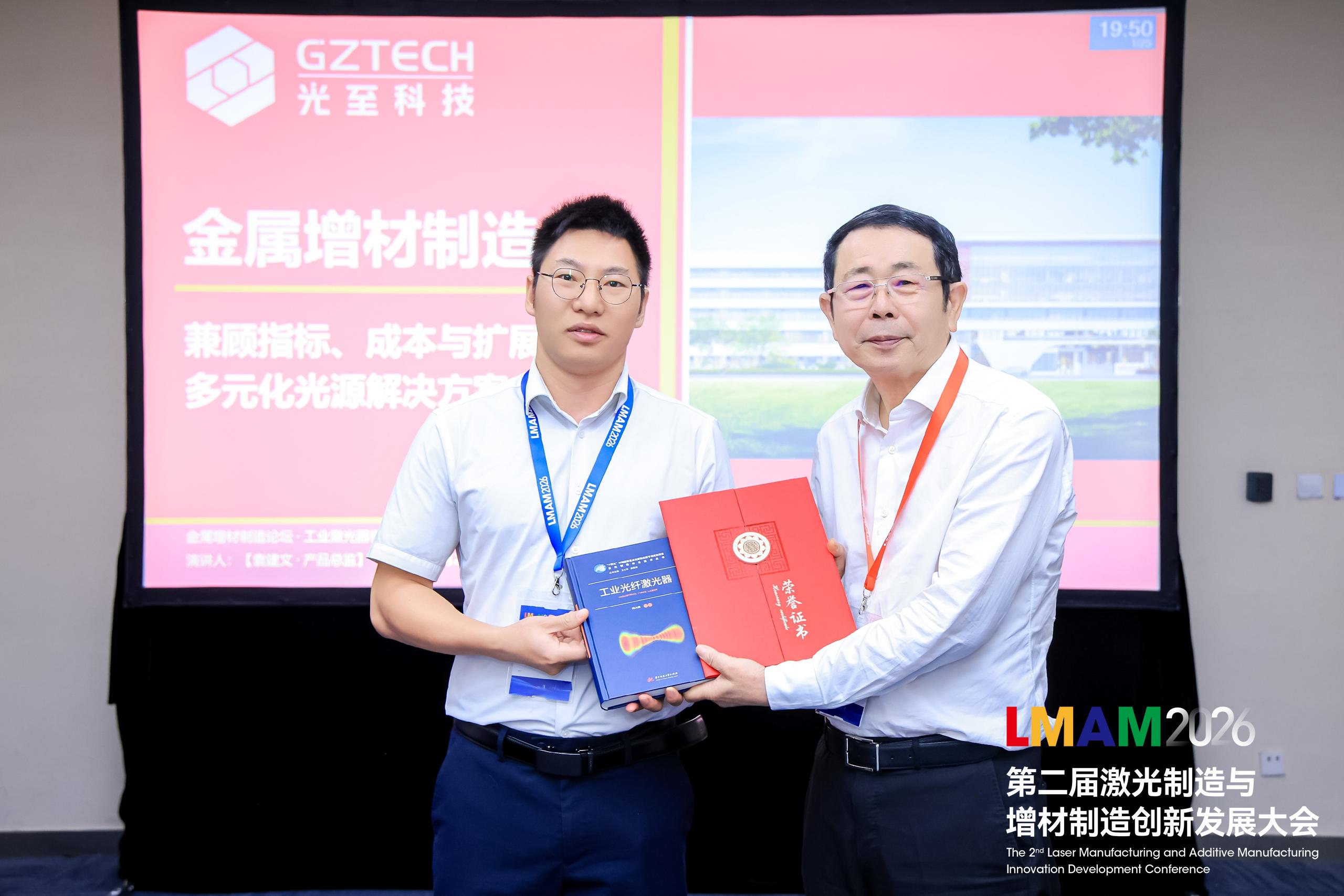
On 23 September,The 2nd Laser Manufacturing and Additive Manufacturing Innovation and Development Conference was held in Beijing. At the Industrial Lasers sub-forum, Yuan Jianwen, Product Director at Wuhan Guangzhi Technology Co., Ltd., delivered a presentation entitled Balancing Performance, Cost and Scalability: Diverse Laser Source Solutions for Metal Additive Manufacturing. During the event, the green fiber laser took centre stage-as it is specifically designed to tackle one of the most challenging materials in the field of metal additive manufacturing: pure copper.
I. The Three Key Concerns for Customers
As metal additive manufacturing moves into the mass production phase, equipment manufacturers and end-users alike face three practical challenges:
Firstly, highly reflective metals such as pure copper are difficult to process consistently. Pure copper has an absorption rate of less than 5% for infrared wavelengths; poor energy coupling and an unstable melt pool make spatter and porosity almost inevitable. Yet pure copper and copper alloys are core materials in applications such as new energy, computing heat dissipation and electrical control busbars. Whilst demand is clear, these materials have long been a challenge to process effectively.
Secondly, when multiple lasers operate in parallel, consistency is easily compromised. Power drift in individual units, variations in beam quality and differences in focused spot diameter directly affect the output consistency of multi-laser systems. What customers fear most is not that a single unit performs poorly, but that there are inconsistencies between units.
Thirdly, there are efficiency and cost bottlenecks. The scanning efficiency of a single spot is limited, making it difficult to increase output per unit of time, whilst equipment depreciation and powder costs remain high. Customers are not looking for impressive results in the laboratory, but rather solutions that are reliable, cost-effective and scalable on the production floor.
GZTECH’s approach to solving this problem is as follows: ensuring batch consistency through uniformity, adapting materials through wavelength matching, and improving efficiency through beam shaping. In product terms, this translates into three major laser source series—green laser, infrared and ring beam laser—which, based on a unified electronic control base, form a diversified laser source matrix designed for mass production in additive manufacturing.
II. Looking at the Overview: Not a Single Laser, but a Mass- Production Laser Source Solution
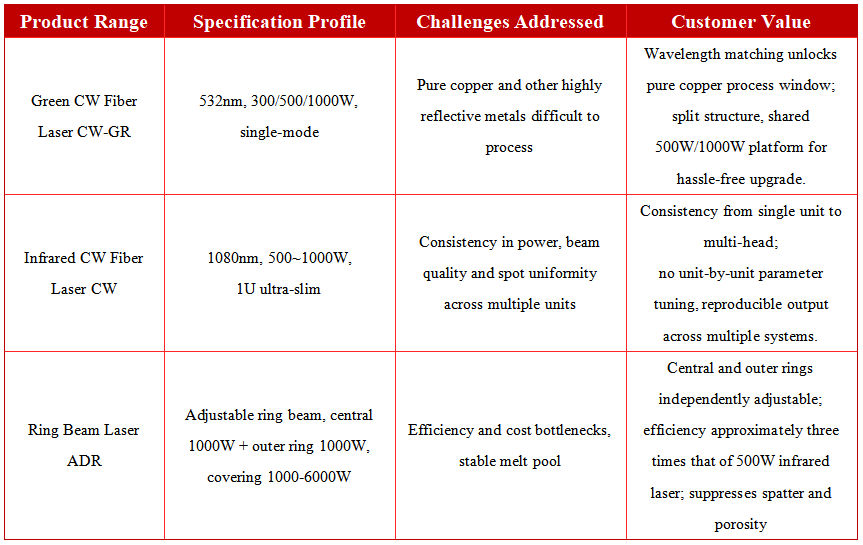
For customers, the significance of this matrix lies in the fact that there is no need to repeatedly switch between different technical approaches involving different materials, power levels and processes. GZTECH integrates these three types of laser sources using a unified electronic control base, enabling equipment customers to strike a balance between performance specifications, cost and scalability.
More importantly, GZTECH has established a comprehensive additive manufacturing laser source matrix, with the three major series sharing a unified electronic control platform and communication protocol, thereby greatly simplifying the coordination and integration of multi-laser source systems. The unified electronic control base offers significant operational advantages: equipment manufacturers can flexibly select green, infrared or ring beam laser sources according to their business needs. As the hardware interfaces and communication logic are standardised across individual units, there is no need to redevelop the entire control software suite. This approach balances high performance, controllable costs and solution scalability, catering to the requirements of different stages from R&D prototypes to mass-production equipment.
III. Green Laser (CW-GR): Transforming Pure Copper from “Difficult to Process” to “Stable to Process"
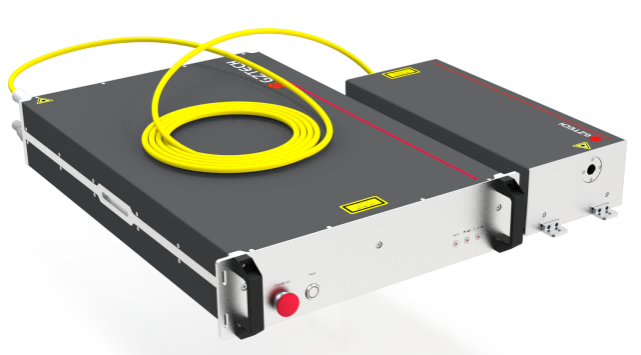
Green fiber laser CW-GR
Why can green laser be used to process pure copper? The answer lies in the absorption curve. Pure copper has an absorption rate of approximately 40% for 532nm green laser, whilst its absorption rate for 1080nm infrared is only about 5%—a difference of eightfold.
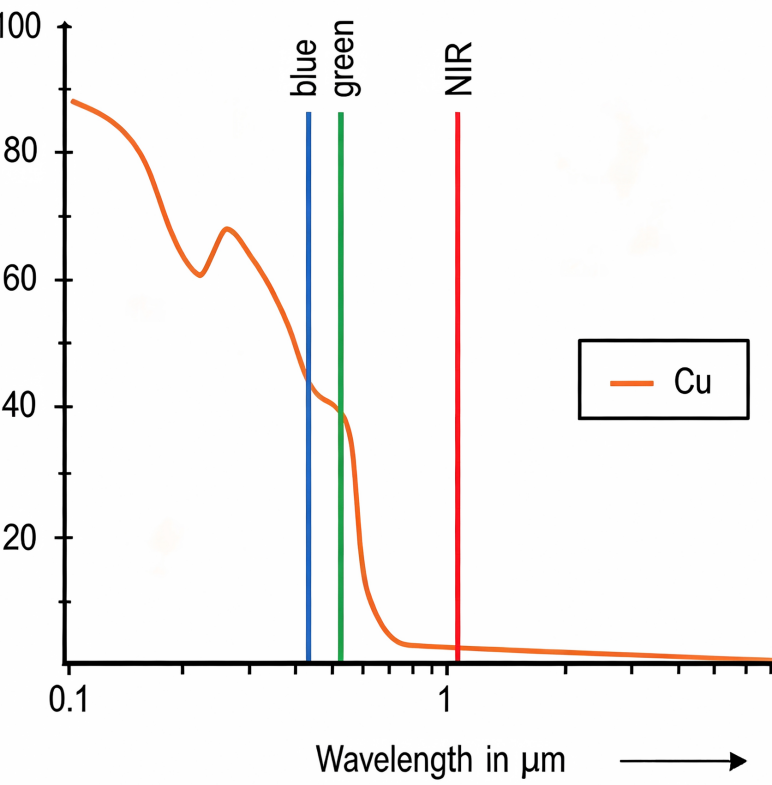
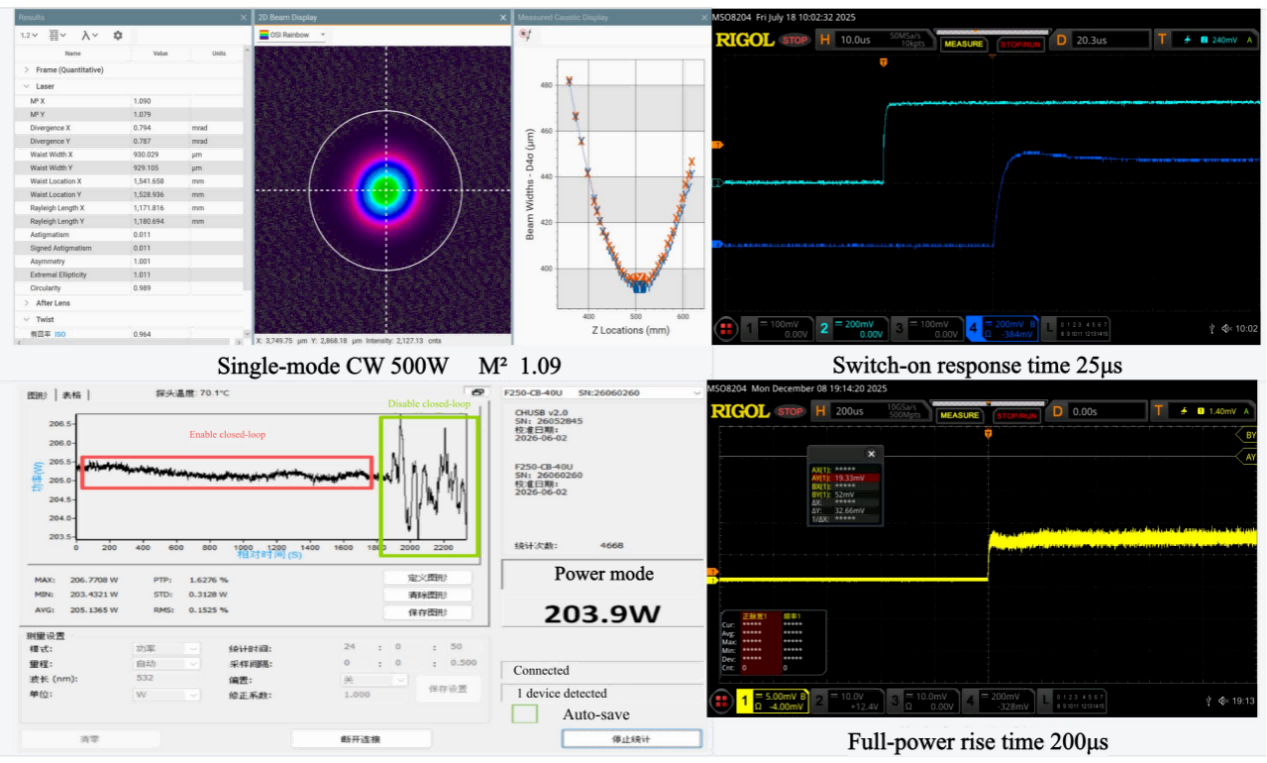
This eightfold difference brings not only “greater power efficiency”, but also a chain of improvements across three levels: stable energy coupling, a gentle melt pool and a significant reduction in reflectivity; energy is absorbed consistently, significantly suppressing spatter and porosity defects; single-mode high beam quality, with a single-mode output of 1,000W and M² 1.09, enabling superior formation of fine structures; The process window has been genuinely opened up; high absorption, a gentle melt pool and precise focusing have transformed pure copper from being “difficult to process” to “stable to process”.
GZTECH’s green fiber lasers are available in the CW-GR series, covering a power range of 300W to 1000W with a continuous single-mode output at 532nm.
Measured data:
Turn-on response: 25μs; turn-off response: 3μs; full-power rise time: 5μs; analogue power linearity: ±2%.
What matters most to equipment customers is the design. The new generation of Green Laser adopts a compact, modular design: the main unit measures 674×482×110mm, with the output head face measuring 190×105mm and a length of 456mm; the mounting hole spacing is 100mm, and it produces a 4mm spot size; both the 500W and 1000W models share the same dimensions and output head. This means that when upgrading models or implementing multiple power configurations, the cabinet layout, water, electricity and gas connections, and tooling fixtures can all be reused, thereby minimising the cost of overhauling the entire machine resulting from laser source upgrades.
The benefits Green Laser offers customers can be summarised as follows: the ability to process pure copper with higher yield rates; enhanced precision forming capabilities; and the ability to upgrade without replacing tooling, making expansion more convenient.
IV. Infrared Fiber CW: From Single-Unit Consistency to Multi-Unit Consistency
When multiple lasers are operating in parallel, the greatest concern is not that an individual laser is substandard, but rather that there are inconsistencies between them. GZTECH has carried out comprehensive consistency verification on its infrared single-mode continuous-wave models.
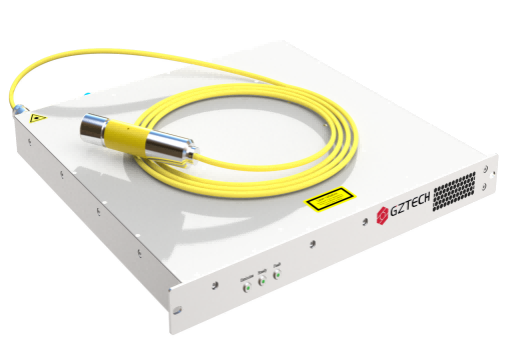
Infrared Fiber CW
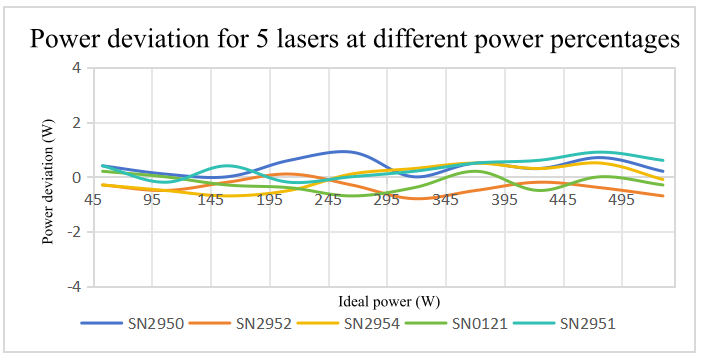
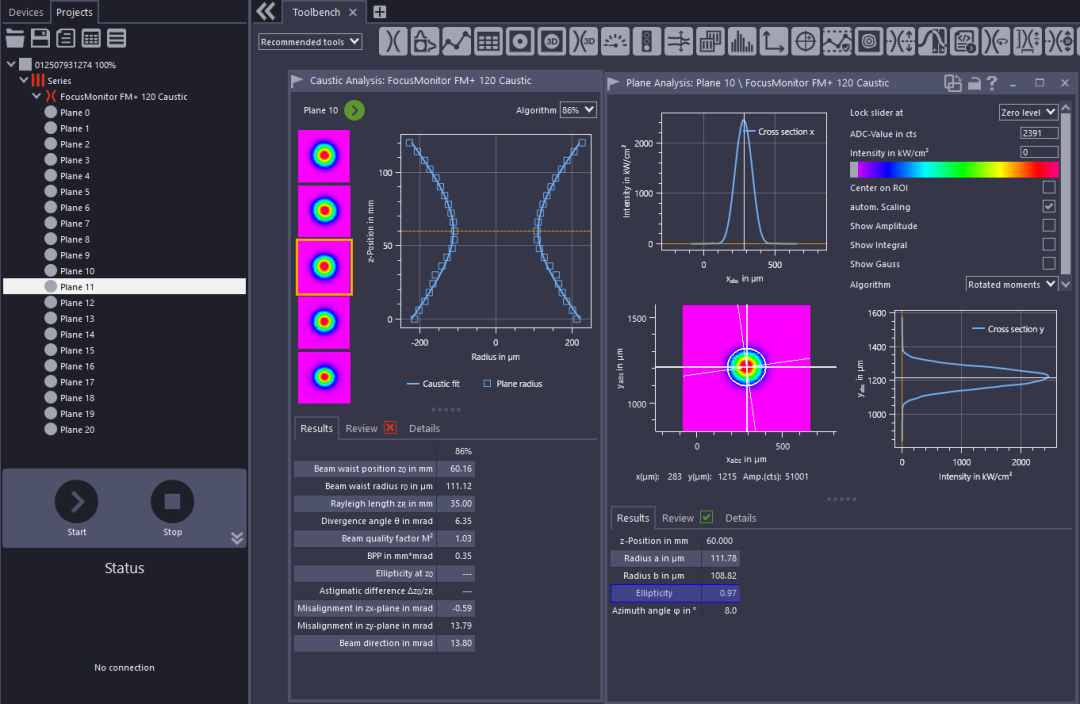
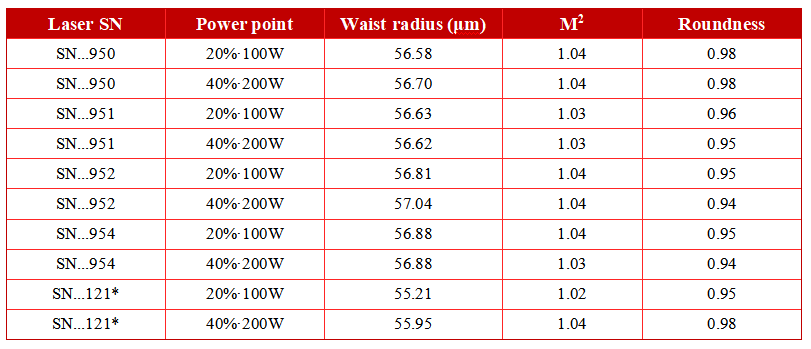
Across multiple units, the waist radius, M² and circularity remain highly consistent at 20% and 40% power points.
In terms of long-term stability, the power stability curve measured during a 4.5-hour continuous full-power operation of the CW500 shows a peak PTP of 0.22% to 0.35% (the industry standard requires <1%) and an RMS of 0.04% to 0.07% (the industry standard requires <0.1%).
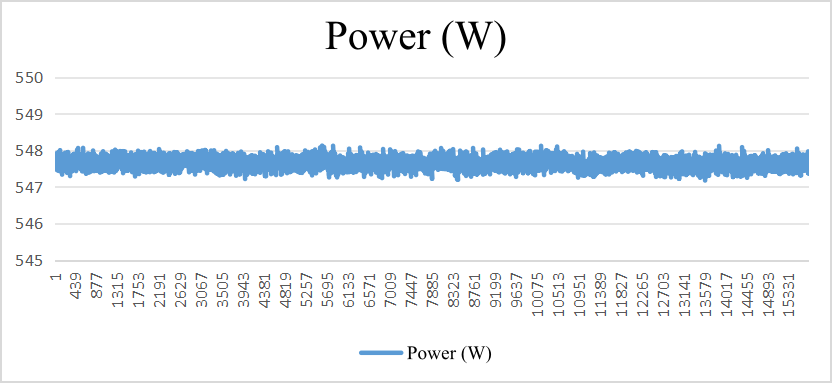
The electro-optical response time is 5μs, with the combined response and rising edge totalling just 10μs, providing hardware-level assurance for high-speed scanning, jump strategies and power modulation.
This forms a complete chain from single-unit consistency to multi-unit consistency: when multiple lasers are integrated in parallel, their output is consistent; when the same control parameters are applied across the entire system, the cost of individually adjusting and testing each unit is eliminated.
The benefits of infrared products for customers are: consistent output across multiple laser units, with batch reproducibility; a 1U ultra-slim design that saves rack space and facilitates multi-unit expansion.
V. Ring Beam Laser ADR: No Longer a Trade-off Between Efficiency and Precision
Additive manufacturing customers are not simply looking for ‘higher power’, but rather “faster, better and more stable” printing. As power increases, so do the risks of spatter, porosity and keyholes; as speed increases, the melt pool becomes unstable and the microstructure loses density.
GZTECH’s ADR adjustable ring beam laser has been specifically designed to address these characteristics. It divides a single laser beam into two independently controllable energy channels: a central core of 14μm, responsible for high-energy-density precision forming; and an outer ring of 100μm, responsible for preheating, controlled cooling and stabilising the melt pool. The central and outer rings utilise two independent PWM-switched laser paths, with a switching speed of <50μs. Their power can be adjusted independently, allowing the thermal field distribution to be dynamically reconfigured in real time according to the scan path.
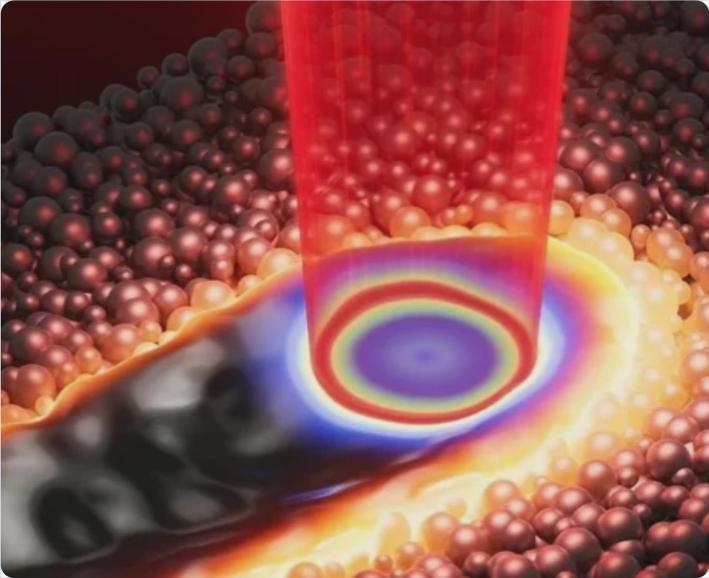
The value to customers is clear:
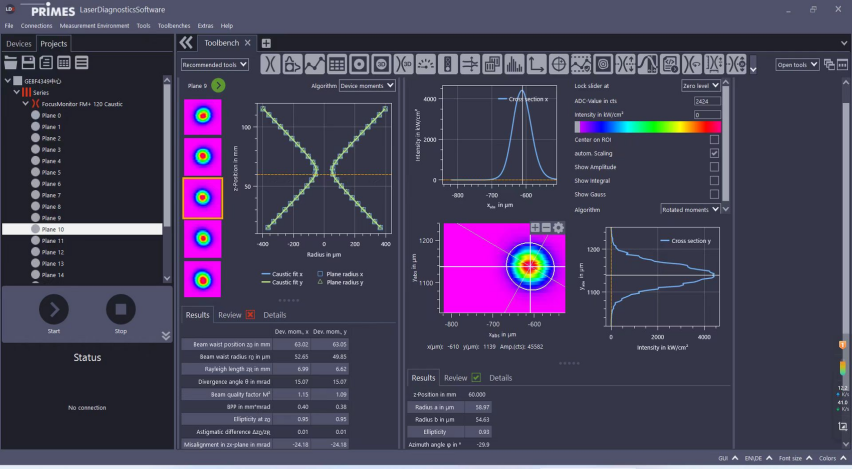
Central beam quality M²=1.12, circularity 0.93
Consequently, the ring beam laser represents a third option distinct from green laser and infrared, specifically designed to enhance speed and efficiency. Customers may select the appropriate option according to their requirements: green laser for highly reflective materials, infrared for consistency across multiple units, and the ring beam lasre for increased speed and efficiency.
VI. Addressing Pain Points: Defining Laser Sources
Choosing GZTECH is not merely about selecting a single laser; it is about choosing a comprehensive range of laser source solutions designed for mass production in additive manufacturing.
GZTECH’s three main series—green, infrared and ring beam laser—address the three key challenges of highly reflective materials, consistency across multiple units, and efficiency and cost, respectively. The green laser series has been tested for long-term stability and temperature cycling; the infrared series provides data on consistency across multiple units; and the annular spot series features independent control of the central and outer rings, with verified efficiency improvements—all designed for continuous workshop operations.
In terms of scalability, the green laser series features a shared platform for 500W and 1000W models; the infrared series utilises a 1U ultra-slim design suitable for multiple units; and the annular spot series covers a power range of 1000–6000W with freely configurable ratios between the central and outer rings; The three series share a unified electronic control platform and communication protocol, with standardised hardware interfaces and communication logic. This simplifies the integration and coordination of multi-laser source systems, whilst control software can be reused. Customers can flexibly configure solutions according to their business needs, enabling a seamless transition from R&D prototypes to mass-production equipment.
In a nutshell: green laser for material development, infrared for consistency, and ring beam illumination for efficiency—GZTECH provides equipment customers with mass-production laser source solutions that balance performance, cost and scalability. Choosing GZTECH means choosing a partner capable of scaling alongside your materials, processes and production capacity.
 Promote laser to be a fundamental tool for smart manufacturing

Copyright © 2022 Wuhan Guangzhi Technology Co., Ltd All rights reserved.Site MapDesigned by
By continuing to use the site you agree to our privacy policy Terms and Conditions.